Back to the tribute

Ten stories on Mahi

Achievements, captaincy, wicketkeeping and the yellow dynasty, in short reads.

From the Railway Platform to the Dressing Room
Origins 2 min read

From the Railway Platform to the Dressing Room

He was a goalkeeper, then a ticket collector. Then he was India's wicketkeeper.

Mahendra Singh Dhoni was born on 7 July 1981 in Ranchi, which was then part of Bihar. He started out as a school goalkeeper in football before cricket took over, and his school coach moved him behind the stumps.

Even as he played in Bihar and Jharkhand teams, he worked as a ticket collector at Kharagpur railway station in the early 2000s. The job paid the bills while he chased a place in the India side.

His India debut came on 23 December 2004 against Bangladesh in Chittagong, and it ended with a run-out for a duck. Four months later he hit 148 against Pakistan in Visakhapatnam. In October 2005 he smashed 183 not out against Sri Lanka in Jaipur, at the time the highest ODI score by a wicketkeeper.

That mix of calm and raw power became his signature. The boy from Ranchi had arrived, and he was in no hurry.
Johannesburg 2007: The Gamble That Worked
2007 World T20 2 min read

Johannesburg 2007: The Gamble That Worked

A young team, a new captain, and one last over nobody expected.

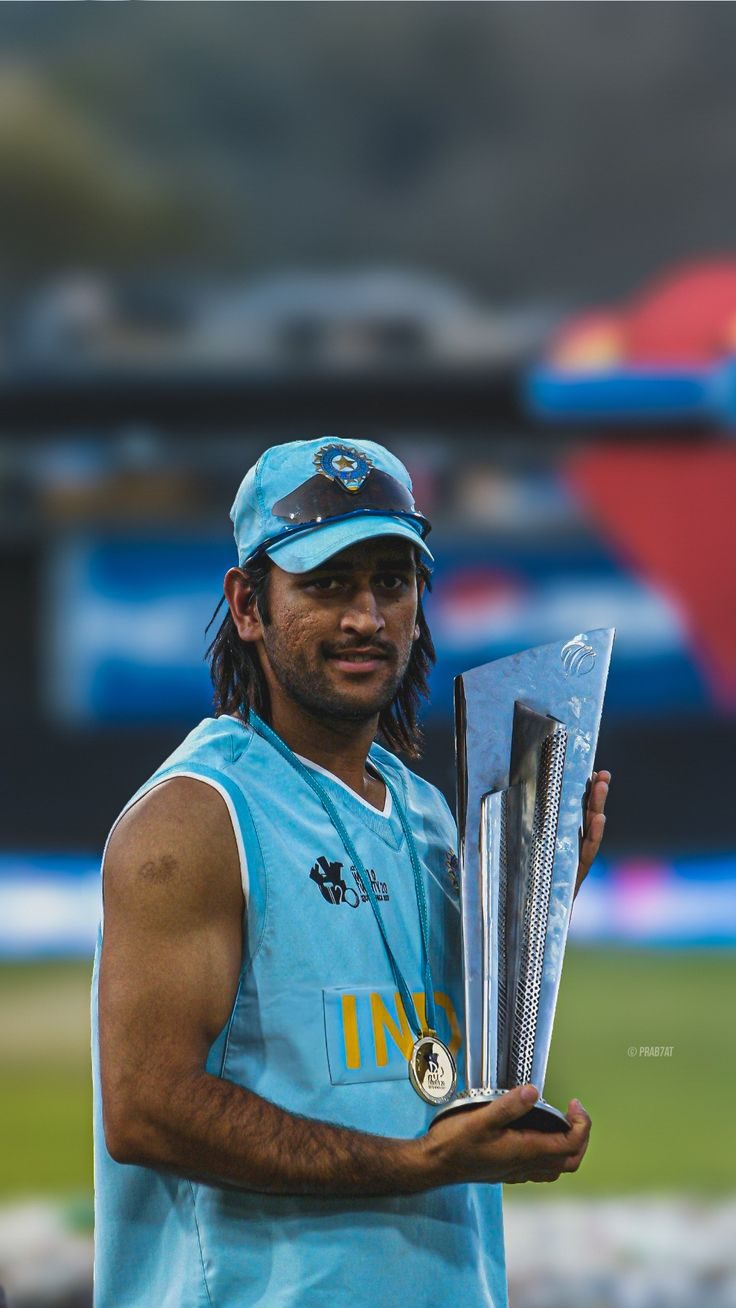
For the first World T20 in South Africa, several senior Indian stars skipped the format. Dhoni, just 26, was handed the captaincy of a young and untested side.

In the group stage, India tied with Pakistan and the game went to a bowl-out. Dhoni skipped his main bowlers and chose Virender Sehwag, Harbhajan Singh and Robin Uthappa. All three hit the stumps, and India won 3-0.

The final was played on 24 September at the Wanderers, again against Pakistan. Gautam Gambhir made 75 as India reached 157 for 5. Pakistan needed 13 off the last over, and Dhoni gave the ball to Joginder Sharma, a medium-pacer, even though Harbhajan Singh still had an over left.

Misbah-ul-Haq scooped the ball and S Sreesanth caught it. India won by five runs. It was the first big proof that Dhoni's gut calls could win trophies.

2 April 2011: Twenty-Eight Years in One Night
2011 World Cup 2 min read

2 April 2011: Twenty-Eight Years in One Night

He promoted himself, took the chase deep and finished it with a six.

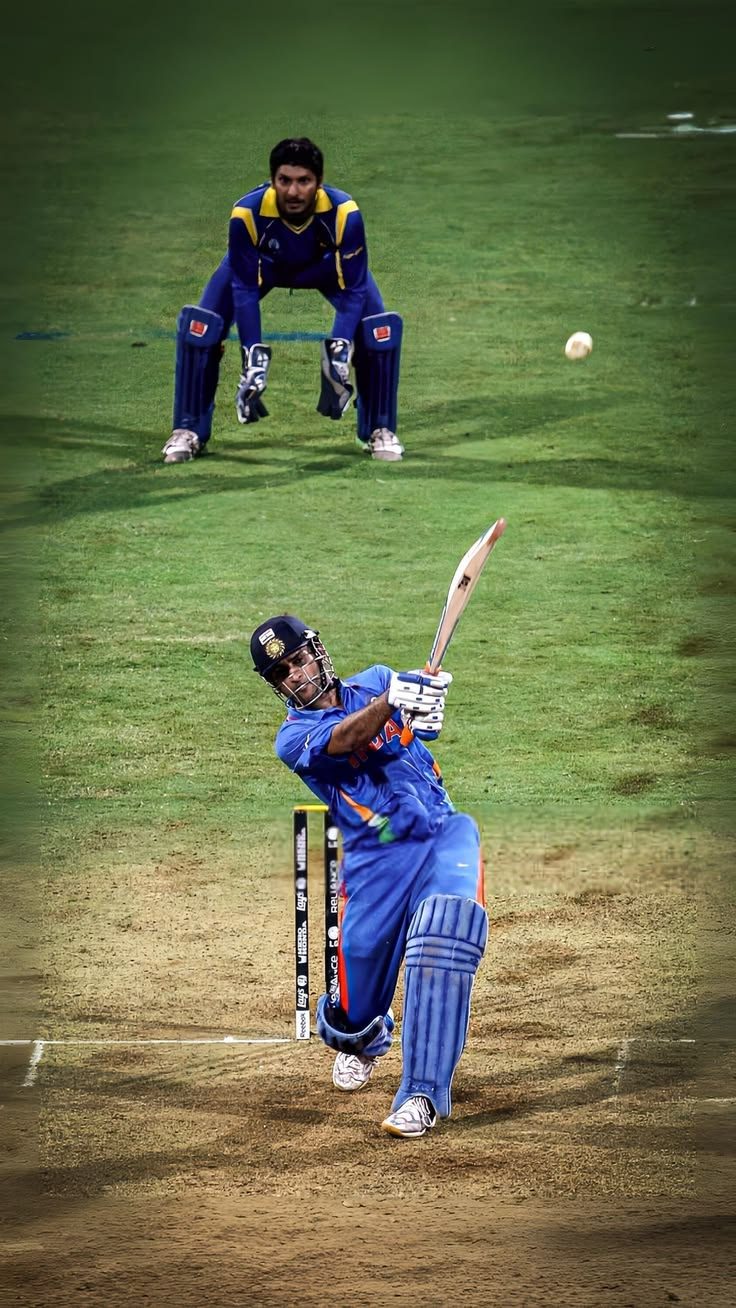
India had waited 28 years for another World Cup. In the final at Wankhede, Sri Lanka scored 274 for 6, with Mahela Jayawardene making an unbeaten 103.

India lost Virender Sehwag and Sachin Tendulkar early. Gautam Gambhir held the chase together with 97, and Virat Kohli gave him good support. Then Dhoni made the call that defined the night: he walked in at number five, ahead of the in-form Yuvraj Singh.

Dhoni and Gambhir added 109 for the fourth wicket. Dhoni finished unbeaten on 91 from 79 balls, and he sealed the win with a six off Nuwan Kulasekara. India won by six wickets with 10 balls to spare, and Dhoni was named Man of the Match.

Ravi Shastri's commentary line, "Dhoni finishes off in style", is still repeated by fans today. It was also the first time a host nation had won a World Cup final.

The Only Captain With All Three
Captaincy 2 min read

The Only Captain With All Three

World T20, World Cup and Champions Trophy. No other captain has won all three.

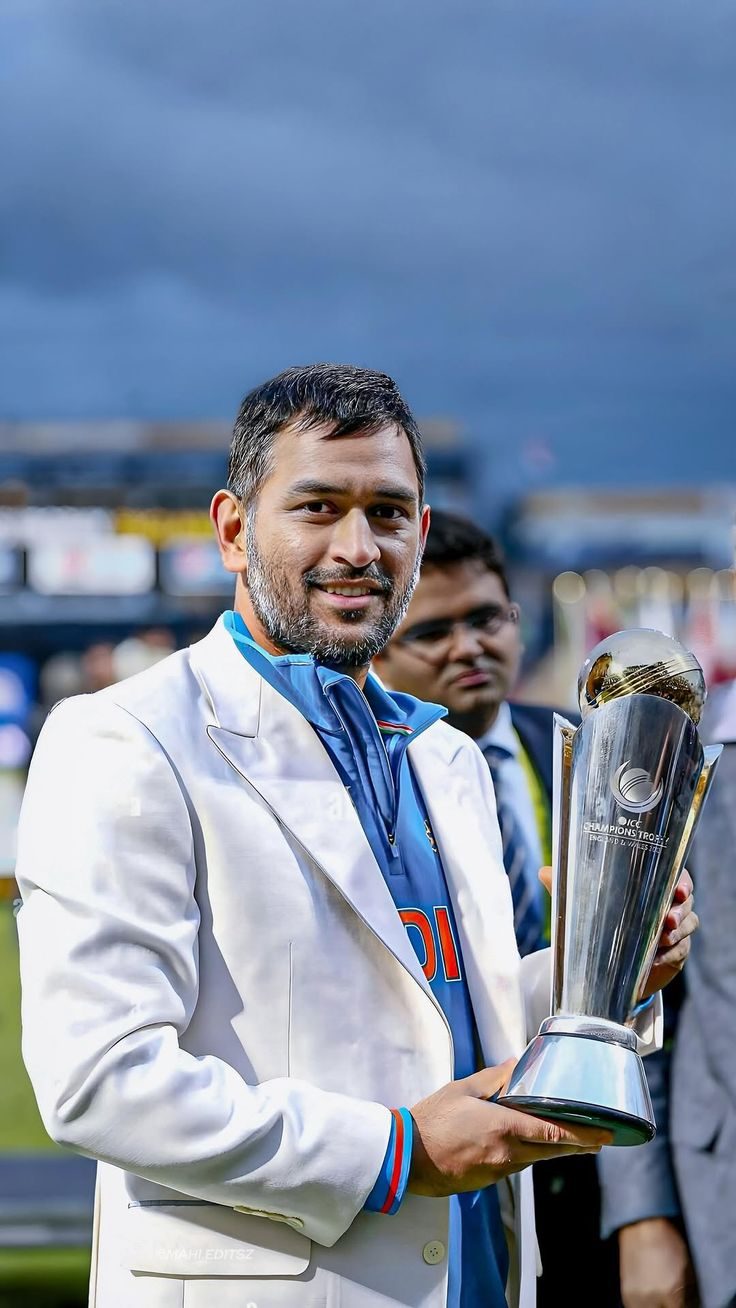
Dhoni won the 2007 World T20, the 2011 World Cup and the 2013 Champions Trophy. He is the only captain in cricket history to have won all three of the ICC's white-ball trophies.

The 2013 Champions Trophy in England was won with a team built on new faces. Dhoni backed Rohit Sharma as an opener, and Shikhar Dhawan finished as the top run-scorer. Ravindra Jadeja won the Golden Ball for the most wickets.

The final at Edgbaston was cut to 20 overs by rain. India made 129 for 7. When England looked set to win, Ishant Sharma's 18th over removed both Eoin Morgan and Ravi Bopara, and India won by five runs.

In the same era, India also reached number one in the ICC Test rankings in December 2009. Few captains have left so many different kinds of win behind them.

Hands Faster Than Doubt
Wicketkeeping 2 min read

Hands Faster Than Doubt

829 international dismissals, and the most stumpings the game has seen.

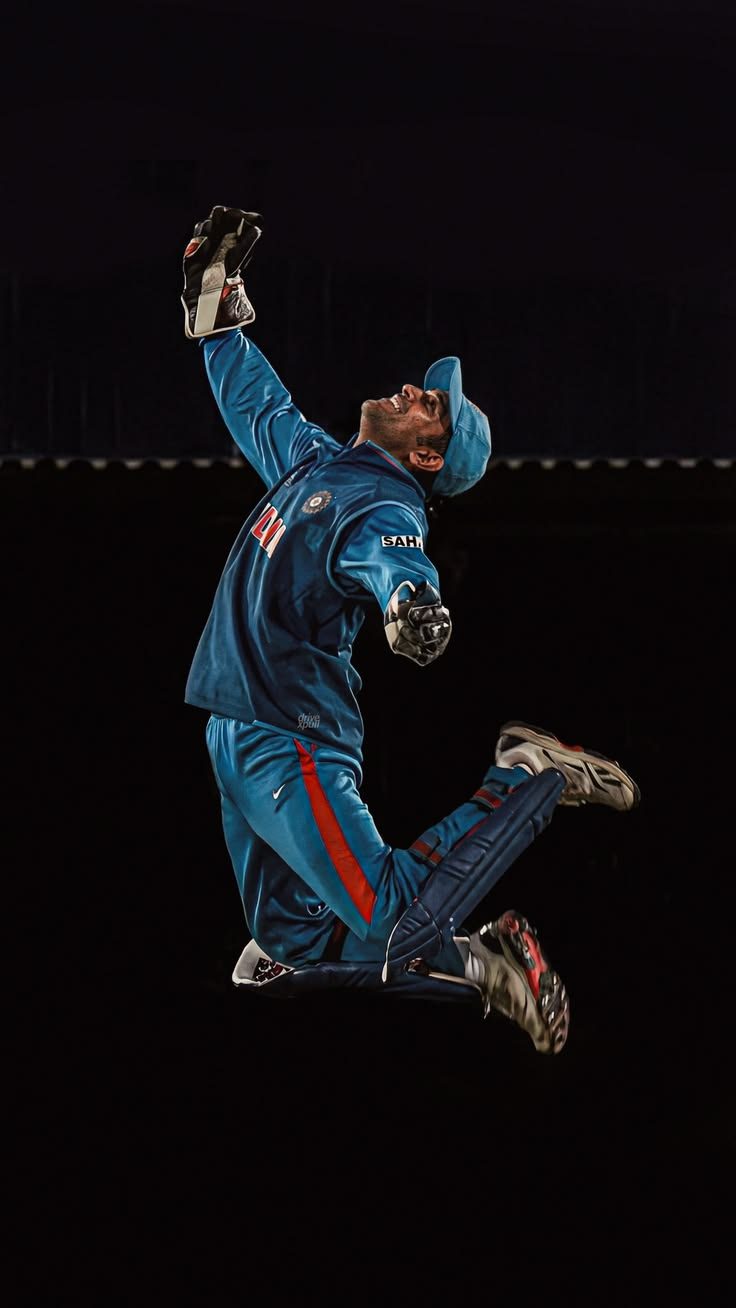
Dhoni finished his international career with 829 dismissals across the three formats: 294 in Tests, 444 in ODIs and 91 in T20Is. Of those, 195 were stumpings, the most by any wicketkeeper in international cricket.

His stumpings were usually quiet and instant. A batter would drag a back foot for a split second, and the bails would already be off. Spinners built whole plans around that threat.

His quick thinking showed in run-outs too. In the 2016 World T20 against Bangladesh in Bengaluru, Bangladesh needed two runs off the last ball. Dhoni threw off a glove, ran to the stumps himself and broke them to win the game by a single run.

Fans even joked that DRS stood for the Dhoni Review System, because his instinct for when to ask for a review was so good. He made hard things look routine.

The Art of the Finish
Batting 2 min read

The Art of the Finish

He averaged above 50 in ODIs, and it came from finishing games.

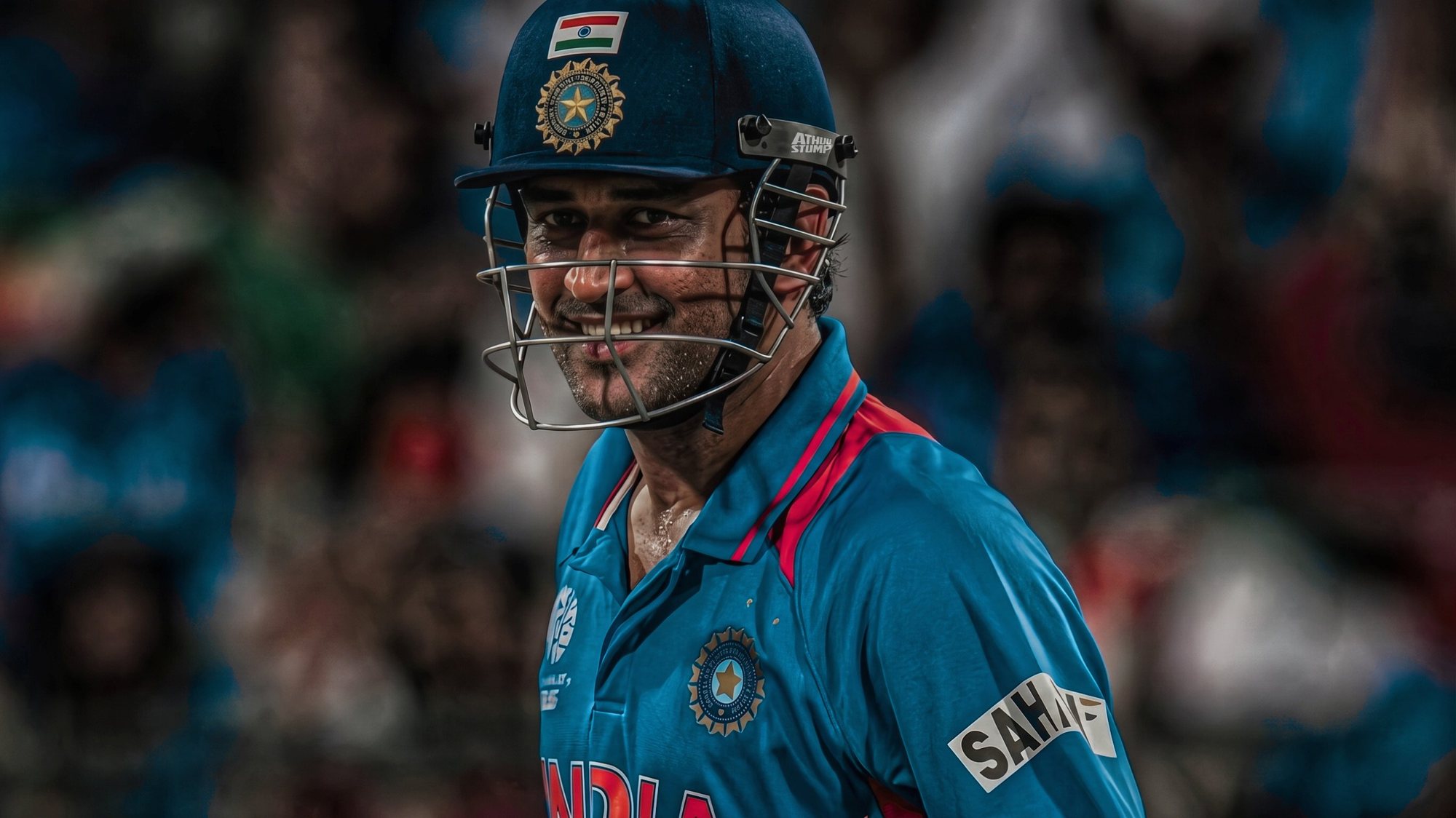
Dhoni scored 10,773 runs in 350 ODIs at an average of 50.57, with 10 hundreds and 73 fifties. For a middle-order batter who often came in late, those numbers are rare.

His method was simple to explain. He kept the required rate within reach, used singles and twos, and picked one bowler to take down. He rarely hit before he needed to.

In Tests, he scored 4,876 runs at 38.09, including a career-best 224 against Australia in Chennai in 2013, the highest Test score by an Indian wicketkeeper.

In T20 cricket he became known for the helicopter shot, a wristy whip that sent yorkers over the boundary. It was power built on timing, not size.

Captain Cool, Decoded
Leadership 2 min read

Captain Cool, Decoded

Three formats, 332 matches, and a voice he almost never raised.

Dhoni captained India in 332 international matches, a record: 200 ODIs, 72 T20Is and 60 Tests. India won 110 of those ODIs, 41 of the T20Is and 27 of the Tests, 178 wins in all.

His style was patient. He let senior players speak, gave young players long runs, and made big decisions late, with the full picture in front of him. Players such as Virat Kohli, Rohit Sharma, Suresh Raina, Ravichandran Ashwin, Ravindra Jadeja and Jasprit Bumrah all grew under his captaincy.

He also knew when to step away. He retired from Test cricket at the end of the Melbourne Test in December 2014, and gave up the limited-overs captaincy in January 2017, handing the side to Kohli.

The nickname Captain Cool came from how he behaved on the field. Whether India were winning or losing, his face looked the same.

The Yellow Dynasty
CSK 2 min read

The Yellow Dynasty

Five IPL titles, ten finals, and a team that always came back.

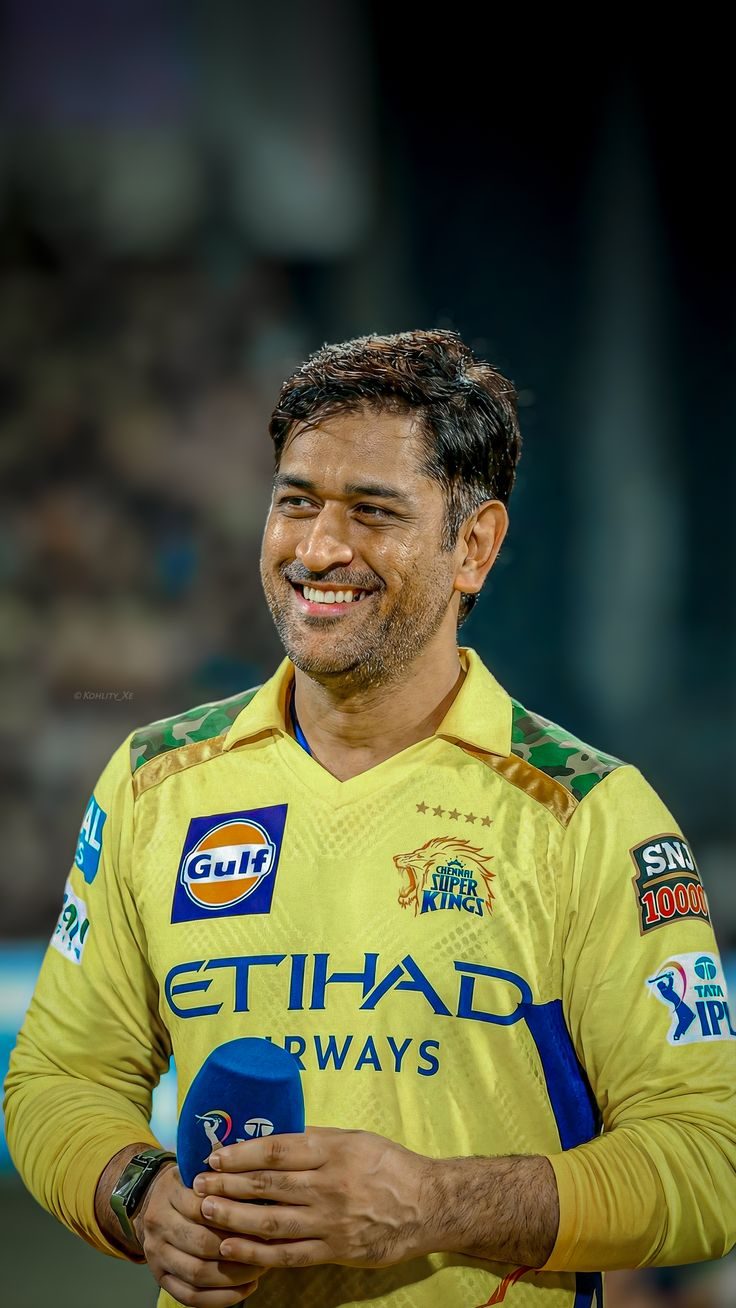
Dhoni was bought by Chennai Super Kings for 1.5 million US dollars at the first IPL auction in 2008, the biggest price of that auction. He has been the face of the franchise ever since.

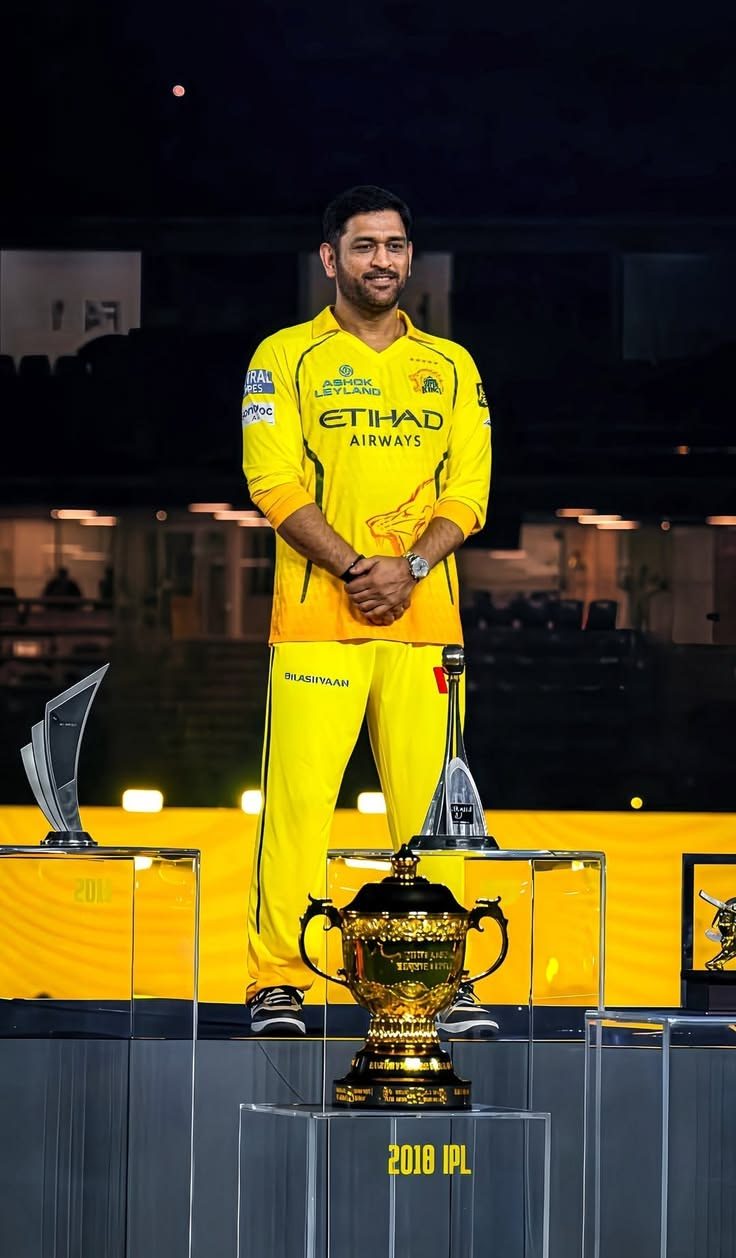
CSK won the IPL in 2010, 2011, 2018, 2021 and 2023, and played 10 finals. They also won the Champions League T20 in 2010 and 2014.

The club was suspended for two years after the 2015 season, and Dhoni played for Rising Pune Supergiant in that time. When CSK returned in 2018, they won the title straight away. After missing the playoffs for the first time in 2020, they won again in 2021.

The 2023 final went down to the last ball, with Ravindra Jadeja hitting a six and a four to win it. Dhoni's quiet hug with Jadeja afterwards became one of the most shared images in Indian cricket.

The Last Run and the 1929 Post
Retirement 2 min read

The Last Run and the 1929 Post

How the greatest finisher chose to end his own story.

Dhoni's last international innings was in the 2019 World Cup semi-final against New Zealand at Old Trafford on 10 July 2019. He scored 50 and was run out as India fell just short.

For a year after that, he stayed silent about the future. Then on 15 August 2020, Independence Day, he posted a short video of his career on Instagram with a one-line caption saying that from 1929 hrs he should be considered retired.

Suresh Raina announced his own retirement the same evening, and the pair left together. Millions of fans reacted within minutes.

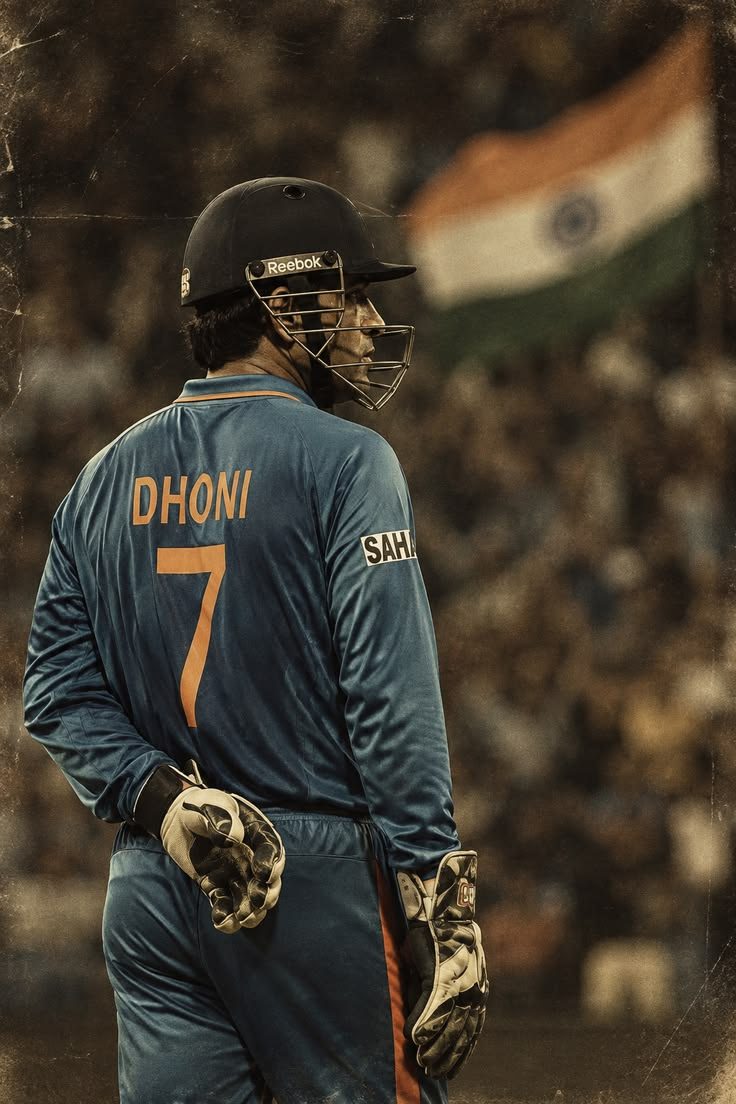
His jersey number, 7, later received its own tribute. In December 2023 the BCCI was reported to have retired the number from Indian cricket. Seven is no longer just a number; it is a name.

More Than Cricket: Honours and Service
Honours 2 min read

More Than Cricket: Honours and Service

From the Khel Ratna to a parachute regiment.

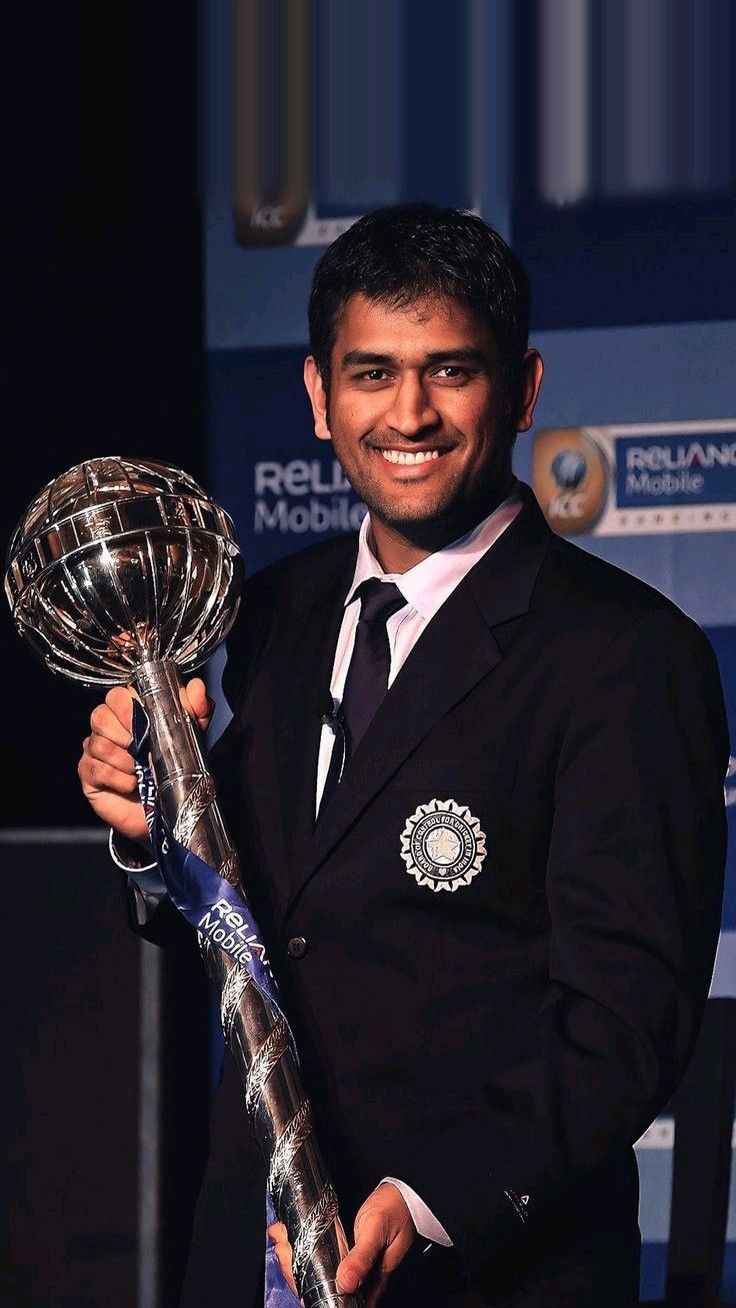
Dhoni received the Rajiv Gandhi Khel Ratna in 2007, the Padma Shri in 2009 and the Padma Bhushan in 2018. The ICC named him ODI Player of the Year in 2008 and 2009.

In 2011 he was given the honorary rank of Lieutenant Colonel in the Territorial Army's Parachute Regiment. He trained in Agra, completed parachute jumps in 2015, and spent time with his battalion in Kashmir in 2019.

At Trent Bridge in 2011, England's Ian Bell was run out on the last ball before tea after wrongly thinking the ball had gone for four. Dhoni and India withdrew the appeal and called him back. The ICC later gave him the Spirit of Cricket award for the gesture.

Those moments say as much about him as any score. He won hard, but he never lost the sense of why the game is played.